
Shopping Cart
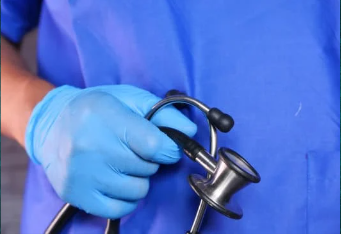
Health and medical industry:
Nitrile gloves are widely used in healthcare. They are standard equipment in hospitals, clinics and laboratories.
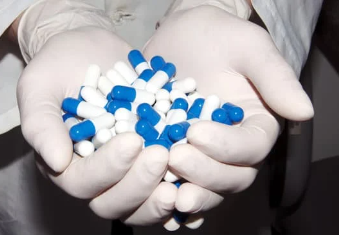
Pharmaceutical industry:
Workers in the pharmaceutical industry often use nitrile gloves to protect against chemicals and drug contamination.

Laboratory industry:
Researchers, technicians, and scientists in laboratories use nitrile gloves because of their chemical resistance, which is crucial when working with various laboratory substances.

Chemicals and petroleum products industry:
Workers who work with various chemicals, oils, and other hazardous substances use nitrile gloves to protect against chemical contamination.

Catering and restaurants:
Nitrile gloves are used in kitchens, restaurants, and other food preparation environments because they are resistant to fats and oils.
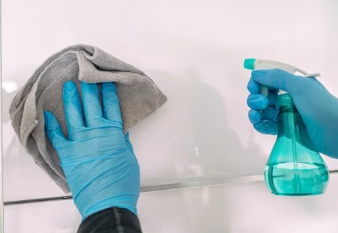
Cleaning and hygiene sector:
Nitrile gloves can be used in cleaning in both households and commercial environments, and are often used to protect against chemicals and contamination.
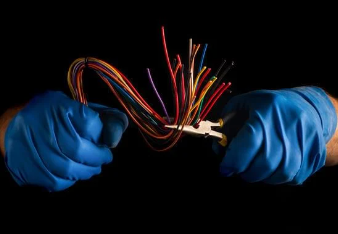
Electronics production:
Workers in electronics manufacturing use nitrile gloves to prevent damage to electronic components from static electricity, and they also protect against some of the chemicals used in the process.
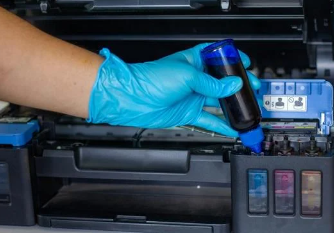
Printing industry:
In the printing industry, where various chemicals and paints are used, nitrile gloves are important for protection against contamination.
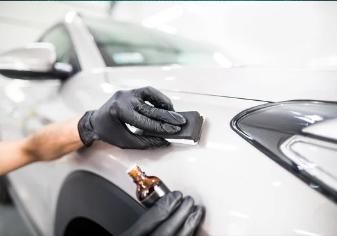
Automotive industry:
In workshops and automotive manufacturing, nitrile gloves are often used to protect against oils and lubricants.
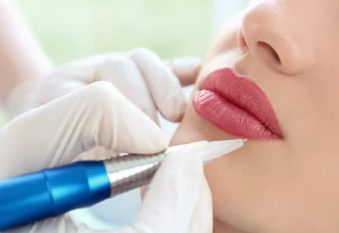
Cosmetics:
Beauticians use protective gloves when performing facial treatments to ensure hygiene and to protect direct contact between hands and clients' skin. Gloves prevent contamination of makeup and maintain hygiene.
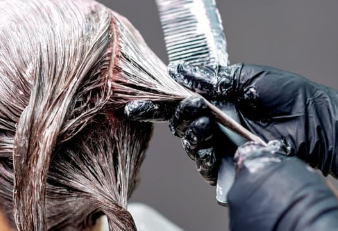
Hairdressing:
Hairdressers often wear gloves during hair coloring procedures to protect their hands from dyes containing chemicals and to prevent contamination of the client's hair with impurities or bacteria.
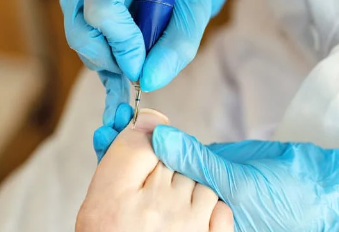
Pedicure:
During pedicures, especially when removing hard skin and trimming nails, pedicurists wear gloves to prevent direct contact with the client's feet and the transfer of fungus or bacteria.
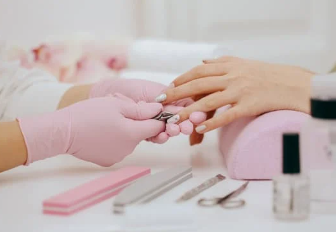
Manicure:
When performing manicures, such as shaping nails or applying nail polish, manicurists wear gloves to maintain hygiene and prevent contamination of the client's nails and the skin around the nails.
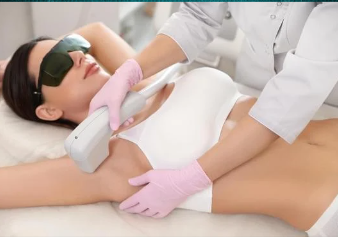
Massage in the wellness center:
Masseurs often wear gloves during massage and other treatments to protect the skin from oils and lotions and to maintain hygiene.
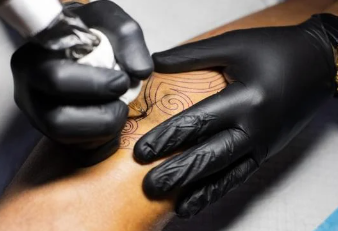
Tattooing and piercing:
Tattoo artists and piercers are required to wear gloves to prevent the transmission of blood-borne diseases, such as hepatitis and HIV, between clients and themselves, and to maintain sterility during procedures.
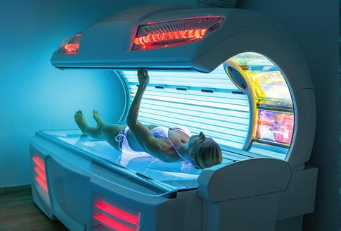
Solariums:
Those who operate tanning beds wear gloves when maintaining and cleaning the device to avoid contact with potentially contaminated surfaces.
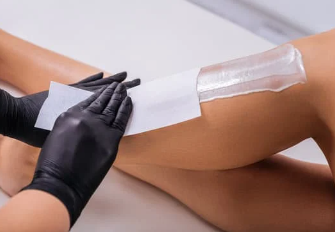
Body care:
During procedures such as waxing, depilation or shaving, users wear gloves to protect themselves from contamination of the client's skin and the removed hair.
Comments (0)