Vaše idealne zaščitne rokavice: Kako izbrati svoje favoritke

Different types of protective gloves are essential for providing adequate protection against chemical contamination in different areas. Let's consider the main differences between nitrile, vinyl and latex gloves and their optimal use:

1. Nitrile gloves: Chemical and oil resistance

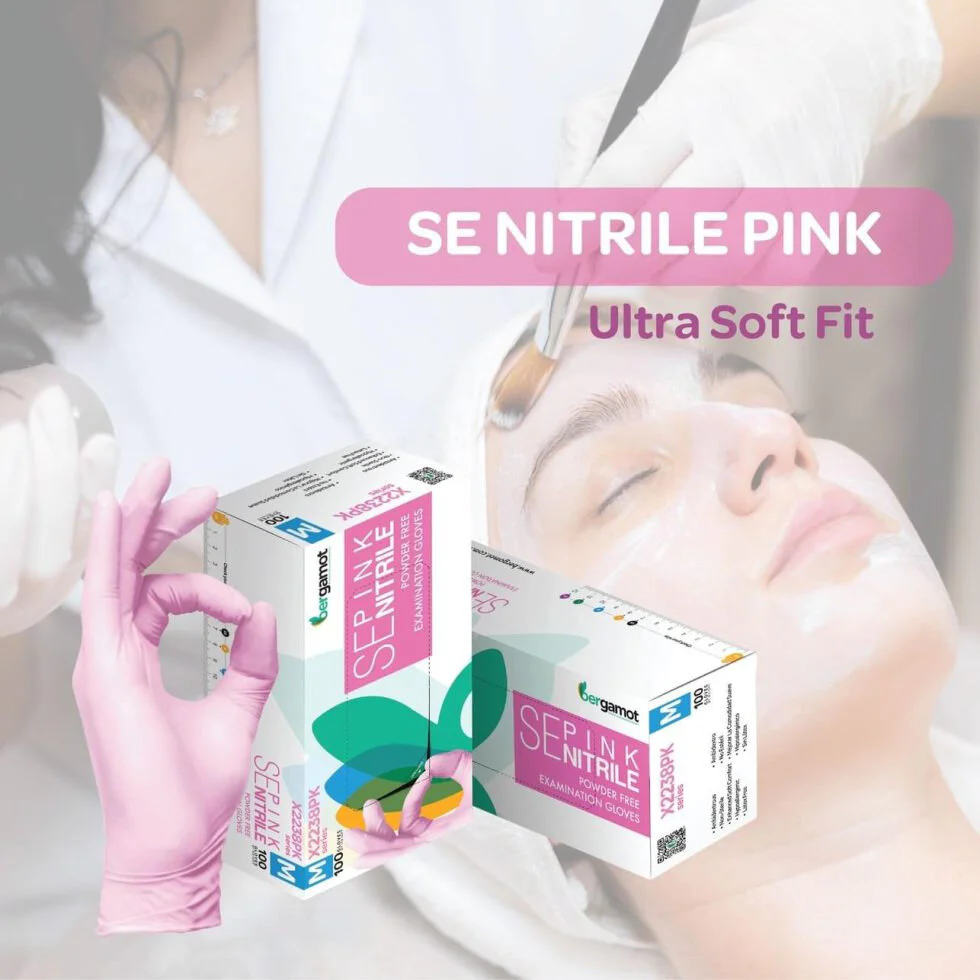
Nitrile gloves are made from a synthetic material called nitrile, which is resistant to chemicals, oil and grease. Due to its ability, it is an excellent choice for working with chemicals and oils. They are also suitable for people with latex allergies. They are used in:

  • laboratories,
  • medicine,
  • pharmaceutical industry,
  • mechanical workshops,
  • agricultural work,
  • beauty salons,
  • hair salons,
  • pedicure salons,
  • tattoo studios,
  • pest control companies,
  • cleaning services,
  • personal assistance,
  • dentistry,
  • veterinarians,
  • printing houses,
  • etc.

2. Vinyl Gloves: An Economical Choice for Less Demanding Tasks

Vinyl gloves are made from PVC (polyvinyl chloride) and are a more economical choice. Although not as durable as nitrile gloves, they are suitable for less demanding tasks where there is no exposure to chemicals. They are used in tasks where there is no risk of chemicals, namely in:

  • healthcare in non-invasive procedures,
  • kitchens and restaurants,
  • hair salons,
  • beauty salons for hair removal,
  • fishmongers,
  • butcher shop,
  • etc.

3. Latex gloves: High fouling to the touch

Latex gloves are made from natural latex, which is extremely elastic and comfortable to wear. They are an excellent choice for tasks where high tactile sensitivity is required, and are mainly used by:

  • in medicine,
  • in laboratories,
  • when preparing food,
  • in hairdressing, beauty and pedicure salons,
  • in dentistry,
  • in veterinary clinics,
  • tattoo studios,
  • etc.

It is important to choose the right gloves based on your needs and the type of work you are involved in. The correct choice will ensure optimal protection and comfort in the workplace.

We recommend that you always check that the gloves are suitable for the intended use and your workplace conditions and test them for your chemical mixtures, oils, etc. before use.

Always inspect your gloves before each use to ensure they are in perfect condition. Use any additional safety precautions prescribed by your organization.

Comments (0)

No comments at this moment
Product added to wishlist
Product added to compare.