


Zaščitne rokavice, nitril, lateks, vinil – Kdo jih potrebuje in zakaj?

In a world where personal protection is essential, protective gloves play a crucial role. Choosing the right type of glove is essential to ensure safety and protect health, whether in healthcare, industry, cosmetics, scientific laboratories, the food industry, cleaning, etc. In this article, we will explore in detail the three most common types of gloves – nitrile, latex and vinyl gloves – and explain why and where they are used.

Why are protective gloves important?

Protective gloves serve as the first line of defense against a variety of risks, including chemicals, biological hazards, and contamination. Their use is essential to maintain hygiene and prevent the transmission of infections, which is especially important in the healthcare and food industries. In addition, gloves protect users from abrasive materials and allow them to work safely with potentially harmful substances.

Nitrile gloves – who uses them and why?

Nitrile gloves, made from synthetic rubber, are known for their durability and chemical resistance. Their hypoallergenic nature makes them an ideal choice for people who are allergic to latex. They are widely used in healthcare, scientific research and industrial applications such as manufacturing and processing, chemical industry, automotive industry, pharmaceutical and biotechnology industries, etc., where a high level of protection and precision is required.

Latex Gloves – Flexibility and Sensitivity

Latex gloves, known for their elasticity and sensitivity, have long been the standard in many industries. However, it is important to be aware of potential latex allergies, which are relatively common. These gloves are still popular in medical and dental applications due to their high level of sensitivity and fit.

Vinyl Gloves – An Economical and Versatile Option

Vinyl gloves are an economical alternative that is often used in situations where a high level of protection is not required. These gloves are less durable than nitrile or latex gloves and are ideal for short-term use in the food industry, cleaning and catering.
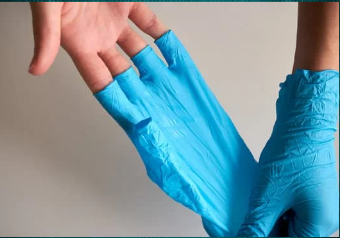
Comparison of materials – nitrile, latex, vinyl

Each material has its own advantages and disadvantages. Nitrile gloves offer the best protection and are the most durable, but can be more expensive. Latex gloves offer excellent sensitivity and fit, but are not suitable for people with allergies. Vinyl gloves are an economical choice for less demanding applications, but do not offer the same level of protection as nitrile and latex.

Sixth: Proper use and disposal of gloves

Proper use and disposal of gloves are key to ensuring their effectiveness. It is important not to wear gloves for too long and to dispose of them properly to prevent contamination. You can read how to properly dispose of protective gloves in this article – Protective gloves: impeccable protection for those who know how. In the same article you can also read how important it is to choose the right size. At the same time, we must choose the right type of gloves for specific needs.

Future trends and innovations in protective gloves

The protective glove industry is constantly evolving, with new materials and technologies improving their performance. Some of the upcoming trends include the development of biodegradable gloves and gloves with advanced protective properties for specific industrial applications.

Conclusion:

Choosing the right type of protective gloves is crucial to ensuring safety and health in many professional and everyday environments. Understanding the differences between nitrile, latex and vinyl gloves, as well as their specific properties and applications, can help users choose the best option for their needs. Whether it is healthcare, industrial work or food preparation, protective gloves are a key element in ensuring safety and hygiene.

Comments (0)

No comments at this moment
Product added to wishlist
Product added to compare.